← ProtoBridge
About

A factory, not a trading company.

You are being asked to send a drawing to someone you have never met, nine time zones away. This page exists so you can check three things before you do: where the work happens, what machines run it, and who answers the email.

Where the work happens

The shop is in FACTORY CITY, ZHEJIANG, CHINA, at FULL STREET ADDRESS. Machining, sintering coordination and inspection are under one roof. Finishing is sent out to two vendors we have used for years — we say so rather than implying we do everything.

If you want to verify the address before sending anything, ask for a short video call and walk the floor with the camera. We would rather spend fifteen minutes on that than have you take it on faith.
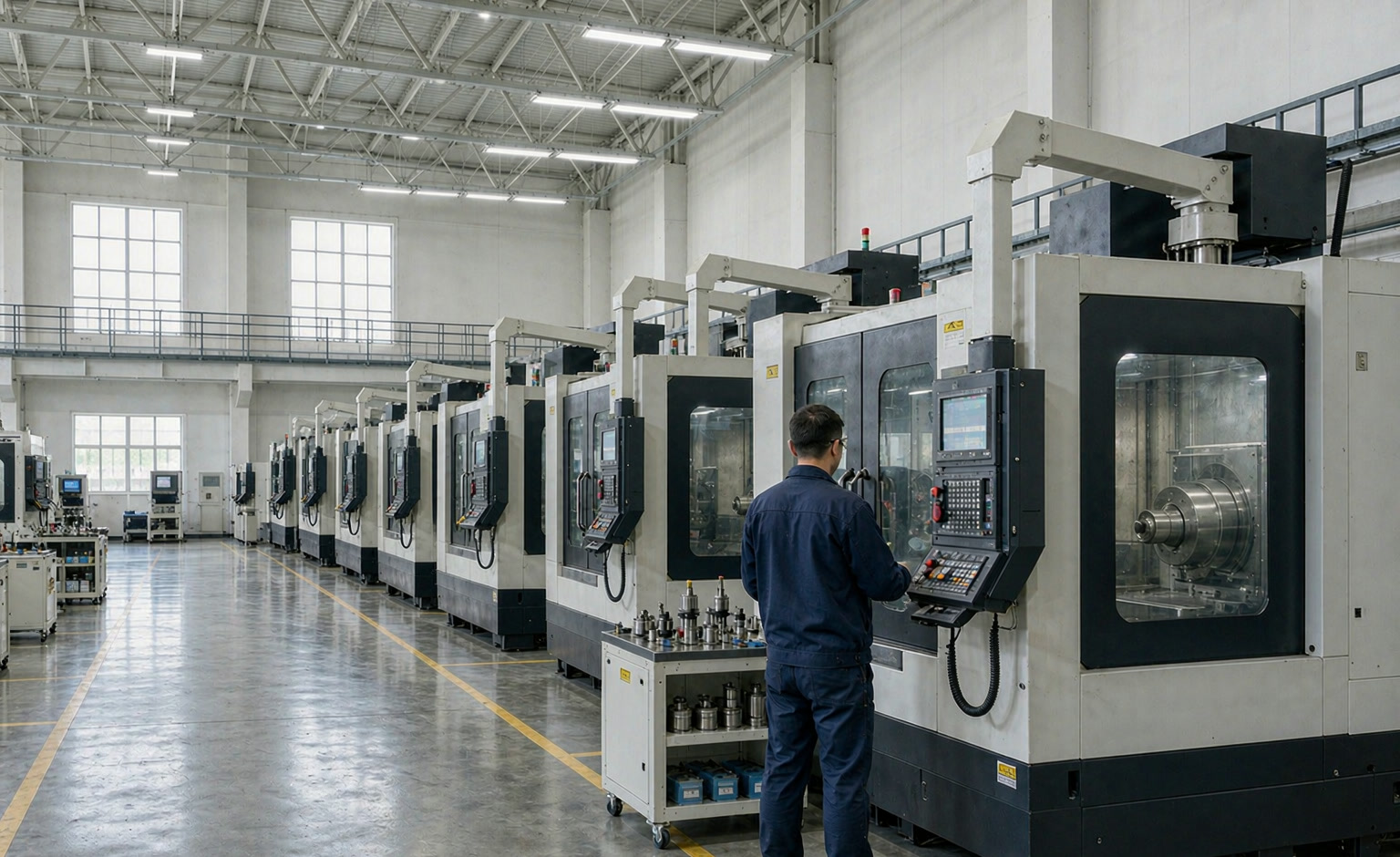
Technician at the control panel of a CNC machining centre
Illustrative image — replace with a photograph of your own shop floor before launch.

What we run

Only list what is actually on the floor. A machine list you cannot back up is worse than no machine list.

MACHINE LIST — replace this block with your real equipment: machine type, tonnage or travel size, quantity. Example format: 8 × injection molding 90–280 t · 6 × CNC turning · 4 × CNC milling, 600 × 400 mm · 2 × wire EDM · 1 × surface grinder · 1 × sintering furnace. Delete every line you cannot stand behind.
Why this matters. A buyer who asks "what machine will you run my part on?" and gets a vague answer assumes the work is being brokered. Naming the machine ends that conversation.

Who you talk to

One named person, not a shared inbox. If you are handing over drawings, you should know whose hands they land in.

Direct contact
Name
YOUR NAME
Role
YOUR TITLE
Email
engineering@YOUR DOMAIN
WhatsApp
PHONE
LinkedIn
LINKEDIN URL
Working hours
HOURS + TIME ZONE
ADD PHOTO — a real photograph of the person who answers the email. A generated or stock portrait is worse than no portrait.
Placeholder for a real portrait.

Why we work this way

Three short reasons, in the order they usually come up.

Small batches are a workflow problem, not a price problem. A 500-piece run and a 50-piece run often touch the same number of machine setups, the same inspection steps and the same paperwork. Factories decline the small order because the schedule disruption costs more than the margin — not because the part is hard. We are set up so a fifty-piece job is a normal day, not an exception someone has to approve.

We would rather lose the order than guess. If your tolerance is tighter than our process holds, or your material is not something we can source honestly, you will hear that in the first reply. A quote that quietly assumes you will accept a looser part is how small teams end up with a box of unusable parts and a supplier who stops answering.

The evidence is on the other pages, not in this paragraph. What we measure with (Inspection & Quality), how your drawings are handled (NDA & IP), what lands and who pays the duty (Shipping & Payment). Read those and decide.

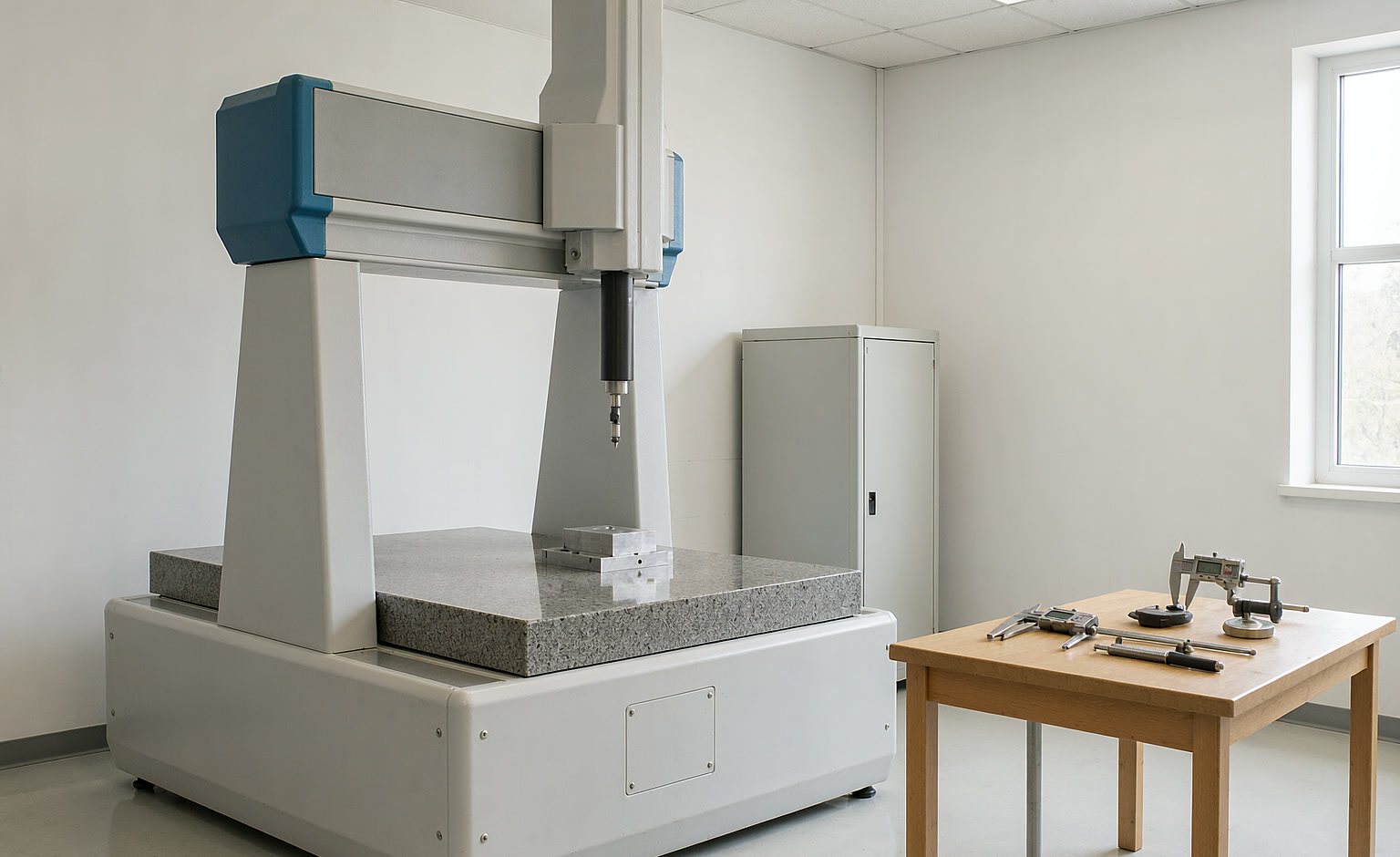
Coordinate measuring machine probe above a part on a granite plate
Illustrative image — replace with a photograph of your own inspection bench before launch.

One more thing before you ask

We do not hold ISO 9001 or AS9100, and we are not going to imply that we do. What we can show you is how a part is measured, what report ships with it, and what happens when a dimension is out. For most small-batch programs that is the useful part of a quality system anyway.

How we inspect a batch →

Ask us something specific.

A material, a tolerance, a quantity, a date. That is a better first email than "tell me about your capabilities".

Email an engineer